
Child custody cases in Brevard County move through several distinct phases, each with its own timeline and requirements. Understanding what happens at each stage helps you prepare mentally and practically for the process ahead.
We at Billie Jo Hopwood Family Law & Mediation, PLLC walk families through this journey regularly, and we’ve created this guide to show you exactly what to expect from filing through final court orders.
Starting Your Custody Case in Brevard County
Understanding Temporary Custody Orders
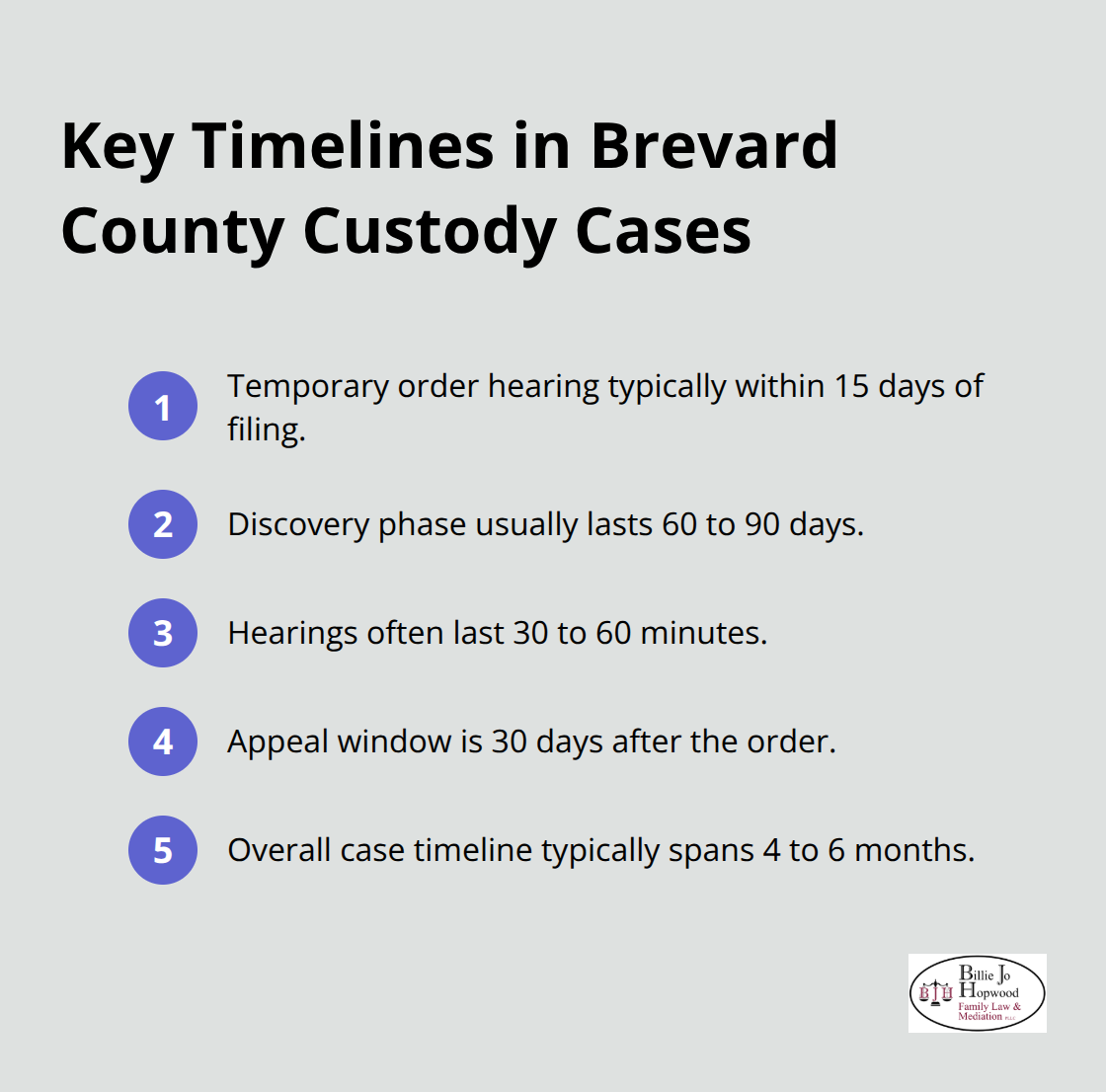
The first step in any custody case is filing a petition with the Brevard County court, but before you submit anything, you need temporary custody orders in place. Florida courts understand that children need stability immediately, which is why temporary orders often come before the full case is resolved. You can request a temporary custody order at the same time you file your petition, and the court typically schedules a hearing within 15 days. This means you could have temporary arrangements in place within two to three weeks of filing.
Temporary orders set the foundation for everything that follows, including visitation schedules and child support amounts. Courts in Brevard County take these temporary arrangements seriously because they directly affect your child’s daily life while the case proceeds.
Gathering Documentation and Financial Records
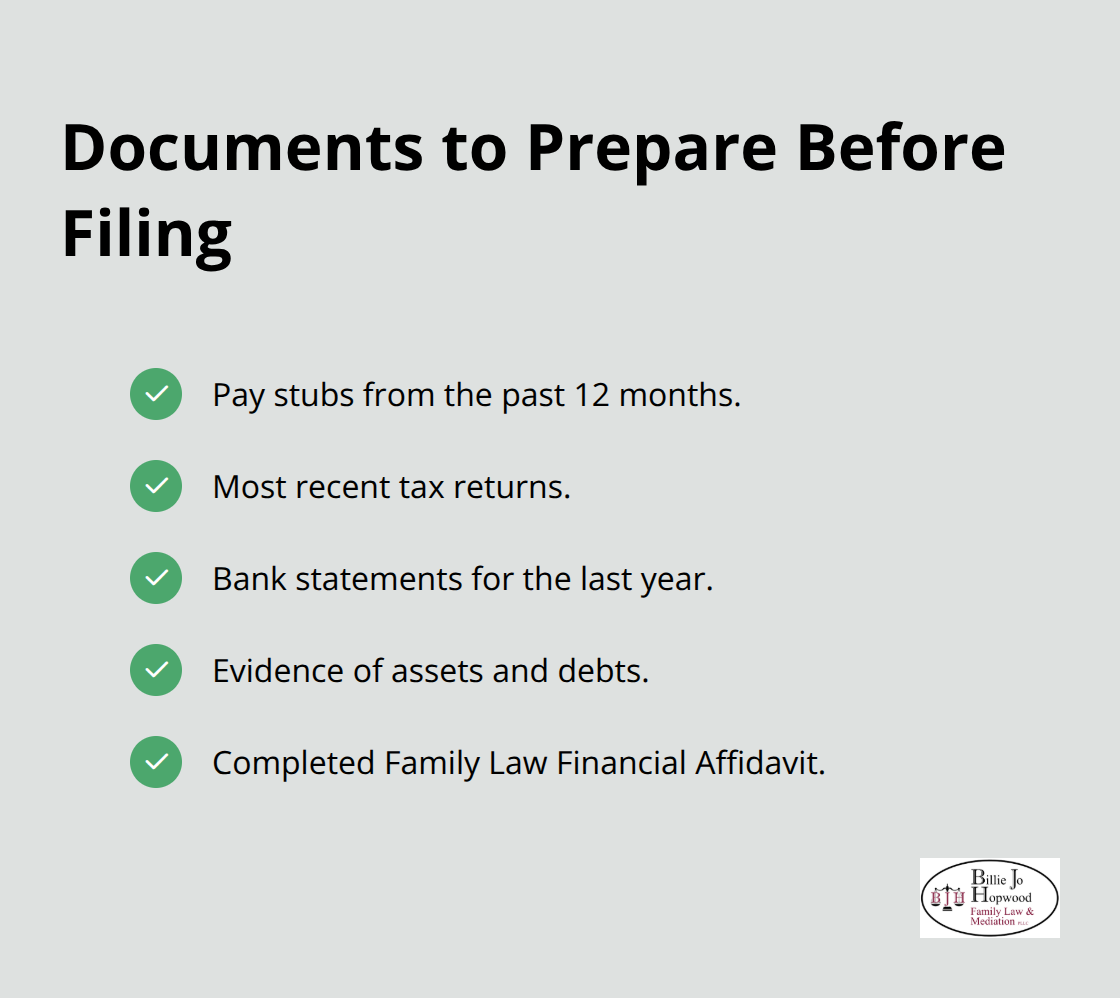
Gathering the right documentation before you file makes the entire process smoother and faster. You’ll need financial records for the past 12 months, including pay stubs, tax returns, bank statements, and any evidence of assets or debts. The Florida Supreme Court requires parents to complete a Family Law Financial Affidavit, which details your income, expenses, and assets down to the dollar.
Have your child’s school records, medical records, and immunization documentation ready as well. Courts in Brevard County also want to see evidence of your involvement in your child’s life-things like school calendars with your attendance at events, communication records with the other parent, or documentation of medical appointments you’ve attended.
Filing Your Petition with the Court
The filing fee in Brevard County varies but typically runs between $300 and $500 depending on the type of petition. When you file, include your completed petition, financial affidavit, parenting plan proposal, and any supporting documents. Filing electronically through the Brevard County court system speeds up the process and creates an immediate record.
If mediation seems appropriate for your situation, mention it in your filing-many Brevard County judges encourage early mediation to reduce court time and costs, which often benefits both parents and children. Once the court receives your filing, the discovery and negotiation phase begins, where you and the other parent exchange information that shapes the direction of your case.
What Happens During Discovery and Negotiation
After you file your petition, the court enters you into the discovery and negotiation phase, which typically lasts 60 to 90 days in Brevard County. This is where you and the other parent exchange financial documents, parenting histories, and other information relevant to custody decisions.
Exchanging Financial Information and Documents
Florida courts require both parents to complete sworn financial affidavits and exchange copies of tax returns, bank statements, and documentation of assets within 45 days of service. Failing to respond to discovery requests on time can result in sanctions from the judge, so treat these deadlines as non-negotiable. The court uses this information to understand each parent’s financial capacity, stability, and involvement in the child’s life.
Judges in Brevard County regularly note discrepancies between what parents claim and what their financial records show. These inconsistencies directly impact custody arrangements and child support calculations, so accuracy matters tremendously.
Why Mediation Works in Brevard County
Mediation offers a realistic path forward during this phase and should happen before your case reaches trial. Brevard County has several certified mediators who focus specifically on family law matters, and many judges will order mediation if parents don’t request it voluntarily.
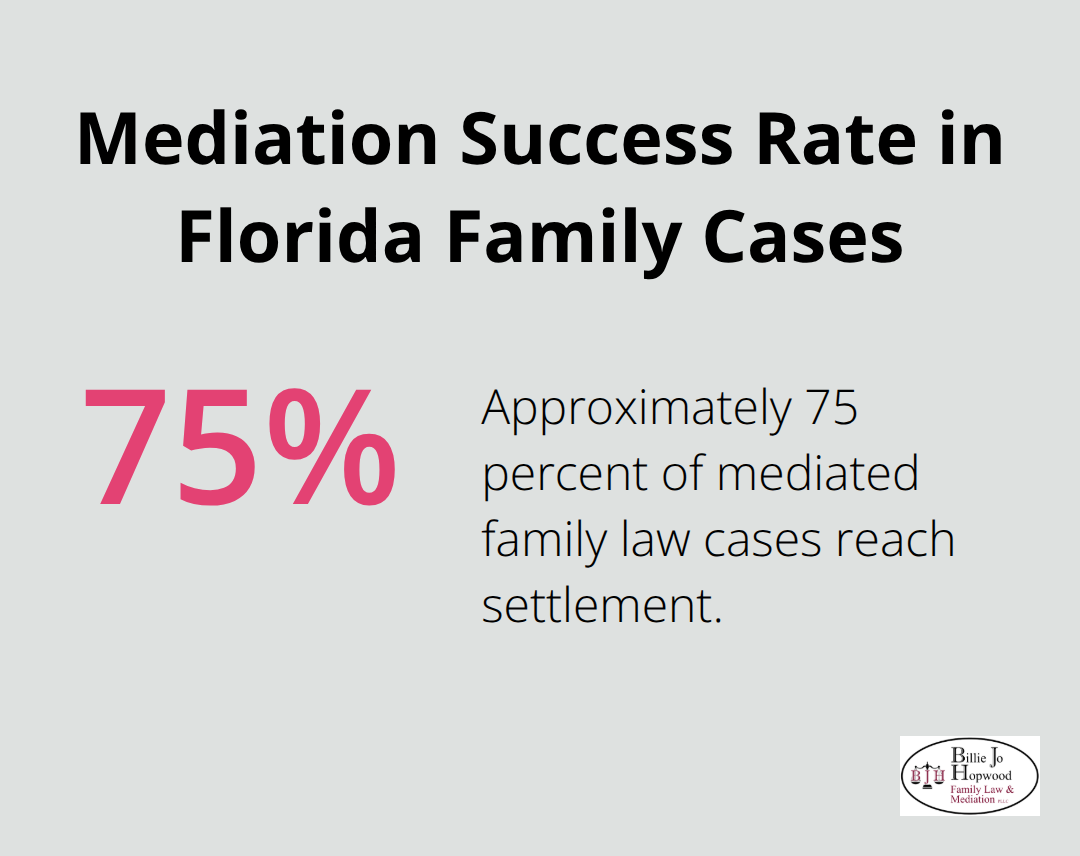
A mediator doesn’t make custody decisions but helps you and the other parent negotiate agreements on visitation schedules, parenting responsibilities, and financial matters. According to the Florida Supreme Court, approximately 75 percent of mediated family law cases reach settlement, which saves both parents significant court costs and reduces the emotional toll on children. Mediation typically costs between $500 and $2,000 total, compared to trial costs that frequently exceed $10,000 when attorney fees accumulate.
Preparing for Mediation Sessions
Bring specific documentation about your involvement in your child’s education, medical care, and extracurricular activities to mediation sessions. Concrete examples matter far more than general statements about your parenting commitment (school attendance records, medical appointment confirmations, and activity participation all strengthen your position).
Moving Forward if Mediation Stalls
If mediation stalls or the other parent refuses to participate, you’ll move into responding to formal motions and preparing for hearings. The judge will ultimately decide custody matters based on what serves your child’s best interests, which is why the evidence you present during this phase carries significant weight into the courtroom.
What Happens at Your Custody Hearing
When your custody hearing arrives in Brevard County, the judge has already reviewed your financial affidavits, mediation summaries, and any motions filed by either parent. Judges in Florida family courts typically spend 30 to 60 minutes on custody cases, which means your preparation determines whether the judge understands your position or misses critical details about your involvement in your child’s life.
How the Hearing Proceeds
The hearing follows a structured format: the petitioner presents their case first, then the respondent, and both sides can cross-examine witnesses. Bring original documents, not copies, because judges want to see school attendance records, medical appointment confirmations, extracurricular activity participation records, and communication exchanges with the other parent. These concrete materials outweigh emotional arguments every time.
What Judges Consider
Florida Statute 61.13 requires judges to consider the best interests of the child, which includes each parent’s capacity to provide stable housing, healthcare, education, and emotional support. Come prepared with specific examples of how you’ve provided these things, not vague statements about your parenting commitment.
Testifying Effectively
Your testimony matters far more than you might think, but many parents sabotage themselves by becoming defensive or argumentative during cross-examination. Answer questions directly without elaborating beyond what was asked, and never interrupt the other parent or their attorney. If you don’t know an answer, say so rather than guessing. Judges notice contradictions between what parents claim and what documents show, and these inconsistencies directly damage credibility.
The Judge’s Decision and Parenting Plan
After hearing both sides, the judge issues a written parenting plan that specifies custody arrangements, visitation schedules, child support amounts, and decision-making authority over education and medical matters. This order becomes legally binding immediately, though either parent can appeal within 30 days if they believe the judge misapplied the law or made findings not supported by evidence. The parenting plan typically addresses overnight visits, holiday schedules, summer arrangements, and how parents communicate about school and medical decisions. Brevard County judges rarely modify orders within the first two years unless circumstances change substantially (job loss, relocation, or significant changes in a parent’s capacity to care for the child), so getting this right the first time matters tremendously for your family’s stability.
Final Thoughts
The child custody timeline in Brevard County typically spans four to six months from your initial filing through the final parenting plan, though complex cases may take longer. Once the judge issues your custody order, your focus shifts from litigation to strict compliance with every detail in your parenting plan. Courts in Brevard County enforce these orders seriously, and violations can result in contempt charges or modifications that harm your position with your child.
Life circumstances change after your order takes effect, and Florida courts allow modifications when substantial changes occur in your job situation, living arrangements, or the other parent’s capacity to follow the plan. Document everything-exchanges with the other parent, support payments, and your involvement in your child’s life-because these records protect you if disputes arise and demonstrate your commitment to the arrangement. Address problems promptly through proper legal channels rather than ignoring them or hoping they resolve on their own.
We at Billie Jo Hopwood Family Law & Mediation, PLLC help families navigate custody matters and the child custody timeline in Brevard County with both legal knowledge and practical guidance. Based in Melbourne, Florida, we work with families facing custody arrangements, child support, and parenting plan challenges. Contact us to discuss your situation and move forward with confidence in protecting your relationship with your child.