
Family law cases can quickly become overwhelming when you don’t understand your fundamental rights. Many people face violations of court orders, hidden assets, and denied visitation without knowing how to respond effectively.
At Billie Jo Hopwood Family Law & Mediation, PLLC, we see how proper family law advocacy makes the difference between protecting your interests and losing what matters most to you.
What Family Law Rights Do You Actually Have?
Property Division in Florida Divorce
Florida follows equitable distribution laws, meaning courts divide marital assets fairly but not necessarily equally. You have the right to full financial disclosure from your spouse, including all bank accounts, retirement funds, real estate, and business interests. The American Bar Association reports that hidden assets appear in approximately 30% of divorce cases, which makes documentation vital.

Start to gather financial records immediately when you consider divorce – three years of tax returns, bank statements, and investment accounts create your foundation. Florida courts presume equal contribution to marital assets regardless of who earned more income. Non-marital property like inheritances or gifts received before marriage typically remains separate, but when you commingle these assets with marital funds, their status can change.
Child Custody and Support Rights
Florida courts prioritize the best interests of the child standard in all child custody decisions. You have the right to request shared parental responsibility unless domestic violence or substance abuse exists. The state eliminated permanent alimony in 2023, but child support follows strict income share guidelines based on both parents’ earnings. According to Florida Department of Revenue data, child support compliance rates reach only 68% statewide. Parents must complete a mandatory parenting course (costing approximately $40) before they finalize any case involving children. Time-sharing schedules can include overnight visits, holiday rotations, and summer arrangements. Document all interactions with your children and maintain detailed calendars of parenting time – courts rely heavily on established patterns when they make custody modifications.
Alimony and Spousal Support Entitlements
Florida’s 2023 alimony reform eliminated permanent support and created strict durational limits. Marriages under 10 years qualify for short-term alimony not exceeding 50% of marriage length. Marriages between 10-20 years allow moderate-term support up to 60% of marriage duration. Long-term marriages over 20 years can receive support up to 75% of marriage length (with exceptional circumstances potentially extending this). Courts consider 12 factors including standard of living, financial resources, and earning capacity. The requesting spouse must demonstrate actual need while the paying spouse must show ability to pay. Retirement terminates alimony obligations unless the recipient proves exceptional circumstances exist. Understanding these rights becomes even more important when violations occur, which unfortunately happens more often than most people realize.
What Rights Violations Should You Watch For
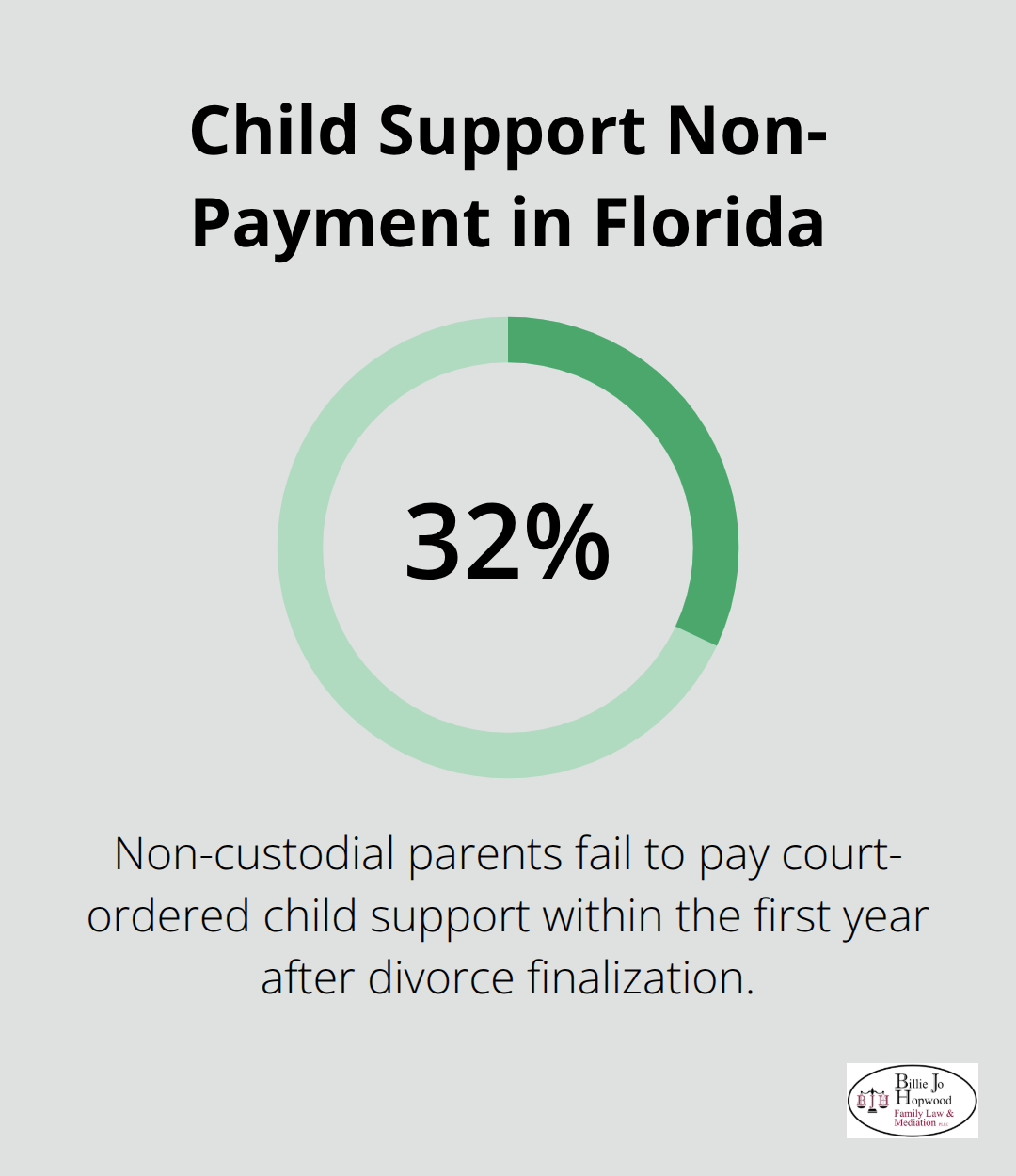
Family law violations happen far more frequently than courts can effectively monitor. Florida Department of Revenue statistics show that 32% of non-custodial parents fail to pay court-ordered child support within the first year after divorce finalization.
The National Center for Health Statistics reports that visitation interference occurs in approximately 40% of custody cases nationwide, with fathers who experience denial of court-ordered time-sharing at twice the rate of mothers. These violations carry serious legal consequences – contempt of court charges can result in wage garnishment, asset seizure, and even jail time up to 179 days per violation.
Blocked Visitation and Parenting Time Interference
Custodial parents who deny court-ordered visitation face immediate legal action through contempt proceedings. Florida courts impose makeup time requirements that often double the missed parenting time, plus attorney fees for the wronged parent. Document every denied visit with timestamps, text messages, and witness statements – judges need concrete evidence to enforce compliance. Police reports become necessary when a parent refuses to return children or blocks scheduled exchanges. The Florida Department of Children and Families tracks parental alienation cases, which have increased 15% since 2020 according to their annual reports.
Financial Deception During Asset Division
Hidden assets represent the most costly violation in family law cases. The American Academy of Matrimonial Lawyers found that cryptocurrency concealment has increased 73% in divorce proceedings since 2019. Forensic accountants can trace these assets, but discovery costs range from $5,000 to $25,000 (depending on complexity). Florida courts impose severe penalties for concealment – automatic award of hidden assets to the innocent spouse plus attorney fees and sanctions. Watch for sudden business expenses, new safe deposit boxes, or transfers to family members during divorce proceedings. Bank account monitoring services cost approximately $50 monthly but can identify suspicious transactions that standard discovery might miss.
Child Support Payment Failures
Non-payment of child support affects millions of children nationwide. Florida’s Department of Revenue collected only $1.2 billion of the $2.8 billion owed in child support during 2023. Courts can garnish wages, seize tax refunds, and suspend driver’s licenses for non-compliance. Interstate cases become more complex when parents move across state lines to avoid payment (the Uniform Interstate Family Support Act addresses these situations). Document all missed payments with exact dates and amounts – this evidence becomes vital for contempt proceedings and collection efforts. Protecting yourself from these violations requires proactive steps and proper legal guidance.
How Do You Safeguard Your Family Law Rights
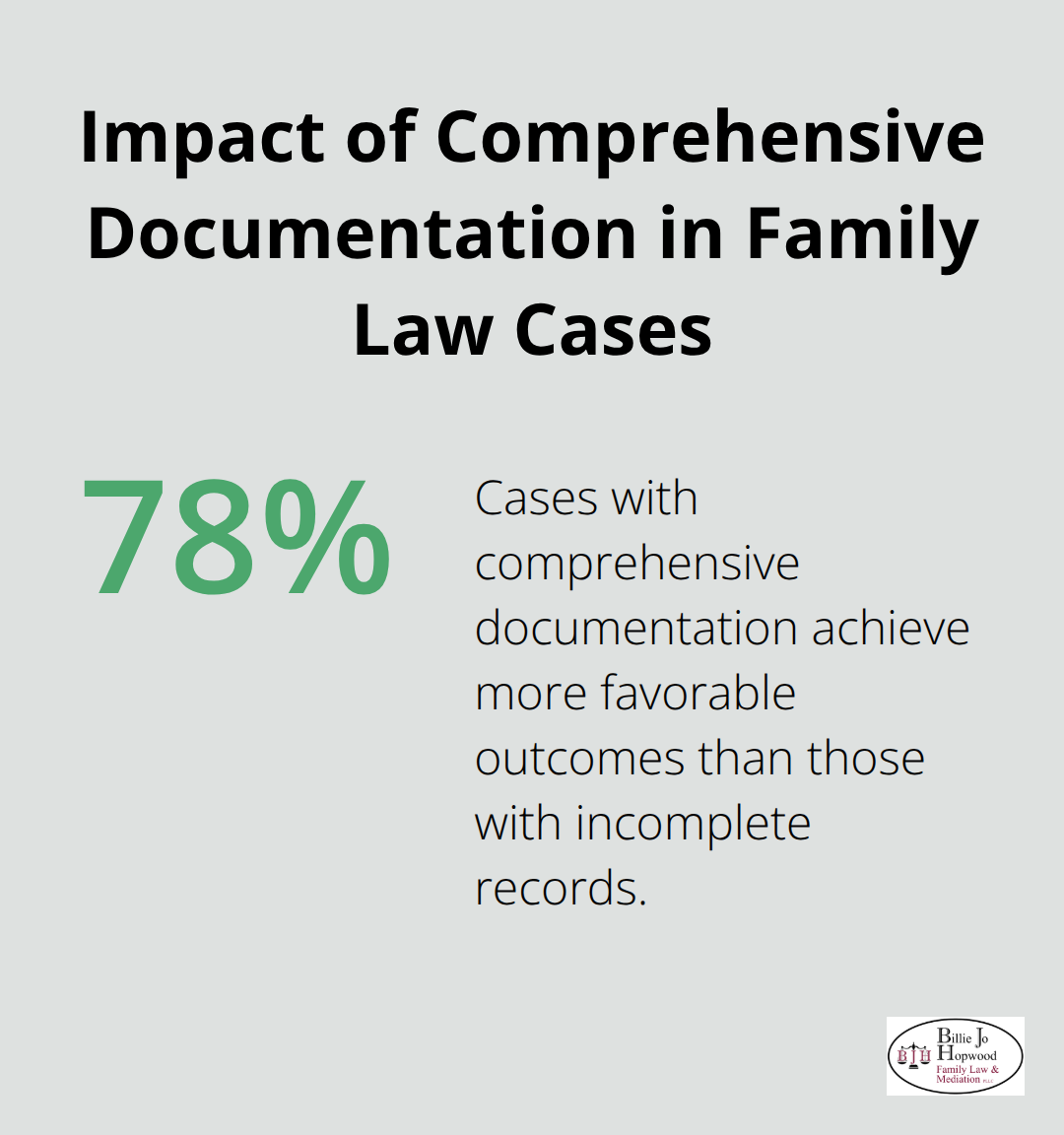
Protection of your rights in family law demands aggressive documentation and strategic action from day one. The Florida Bar Association reports that cases with comprehensive documentation achieve favorable outcomes 78% more often than those that rely on verbal agreements or incomplete records.
Create a detailed chronological file immediately when family law issues arise – include dates, times, witnesses, and exact quotes from all conversations with your spouse or co-parent. Email communications provide stronger evidence than text messages because they contain timestamps and cannot be easily altered. Voice recordings require two-party consent in Florida, but detailed written summaries of phone conversations made immediately afterward carry significant legal weight.
Document Everything With Legal Precision
Court-admissible evidence follows strict requirements that many people overlook. Screenshots of social media posts need metadata preservation – simple photos often get excluded because judges cannot verify authenticity. Financial documentation must include three years of complete records that cover bank statements, tax returns, pay stubs, and investment accounts. The American Academy of Matrimonial Lawyers found that 85% of successful asset recovery cases involved forensic accounting evidence collected within the first 90 days of divorce filing. Store all documents in multiple formats – physical copies, cloud storage, and with your attorney. Calendar entries that document parenting time, missed visits, and communication attempts become powerful evidence in custody modifications. Florida courts require specific formatting for exhibits (so professional legal guidance prevents costly procedural mistakes that can exclude vital evidence from consideration).
Choose Experienced Legal Representation Immediately
The timing of legal representation directly impacts case outcomes according to Florida Supreme Court statistics. Cases with attorney involvement from the initial filing resolve 40% faster and achieve more favorable settlements than those where legal counsel enters mid-process. Attorney selection requires careful evaluation – look for practitioners who handle 80% or more family law cases rather than general practice lawyers. Florida Bar certification in marital and family law indicates advanced training and continued education requirements. Initial consultations should include case strategy discussions, fee structures, and realistic timeline expectations. Flat-fee arrangements work better for uncontested matters, while hourly billing suits complex litigation. The average family law case in Florida costs between $8,000 and $15,000 according to the Florida Association of Family and Conciliation Courts (but early legal intervention often reduces total expenses by preventing costly mistakes and procedural delays).
Master Court Procedures and Critical Deadlines
Florida family courts operate under strict procedural rules that can destroy your case if you miss key deadlines. Response times for petitions typically allow 20 days, but extensions require formal motions filed before expiration. Financial affidavits must be updated every 90 days during active litigation, and incomplete forms result in automatic case delays. Discovery deadlines cannot be extended without court approval and opposing counsel consent. Motion practice requires specific formatting – incorrect margins or font sizes can result in rejection by the clerk’s office. Court appearances demand professional attire and proper etiquette (address judges as “Your Honor” and stand when they enter or leave). Case management conferences occur every 120 days in contested matters, and failure to appear can result in default judgments against you. For unmarried couples, cohabitation agreements can provide essential legal protection by establishing clear property rights and financial responsibilities before disputes arise.
Final Thoughts
Your family law rights form the foundation of your financial security and parental relationships for years to come. The statistics we’ve examined show that violations occur in nearly one-third of all cases, which makes proactive protection absolutely necessary. Without proper documentation and legal guidance, you risk the loss of custody time, hidden assets, and court-ordered support payments that rightfully belong to you.
Professional family law advocacy provides the strategic advantage needed to navigate Florida’s complex legal system successfully. Cases with attorney representation from the beginning resolve 40% faster and achieve significantly better outcomes than those handled without legal counsel. The procedural requirements, strict deadlines, and evidence standards demand professional knowledge that most people simply cannot master while they manage the emotional stress of family disputes (which often clouds judgment during critical decisions).
We at Billie Jo Hopwood Family Law & Mediation, PLLC understand how overwhelming family law cases can become. We’re committed to help Melbourne, Florida families through these challenging situations with compassionate legal guidance. Your rights matter, and their protection requires decisive action today.