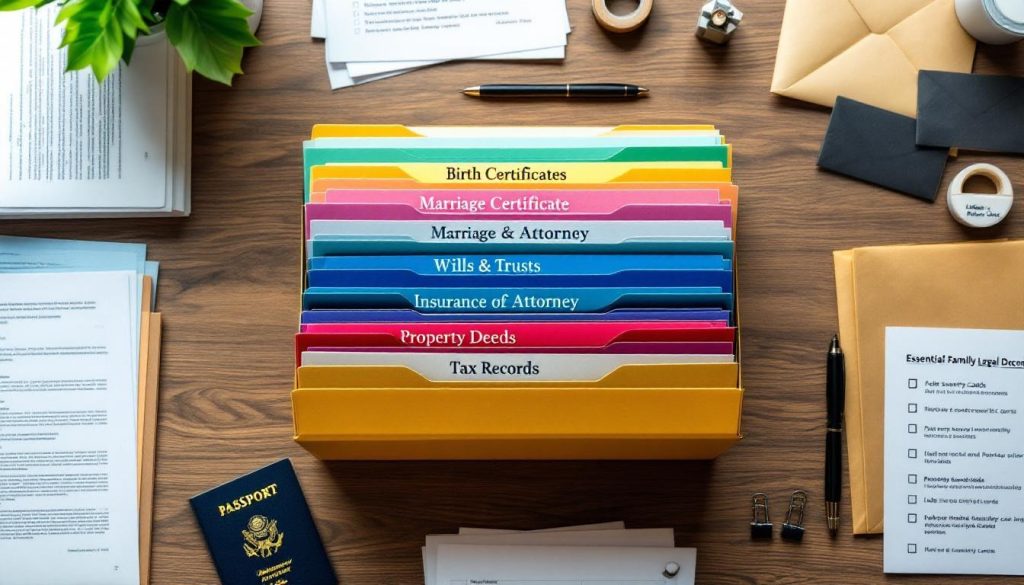
Most people keep family legal documents scattered across drawers, filing cabinets, and email folders. When a medical emergency or legal matter strikes, finding the right paperwork becomes a nightmare.
We at Billie Jo Hopwood Family Law & Mediation, PLLC see firsthand how disorganized documents create unnecessary stress and delays. A simple system now prevents chaos later.
Why Organization Matters in Family Law
Court Expectations and Case Resolution
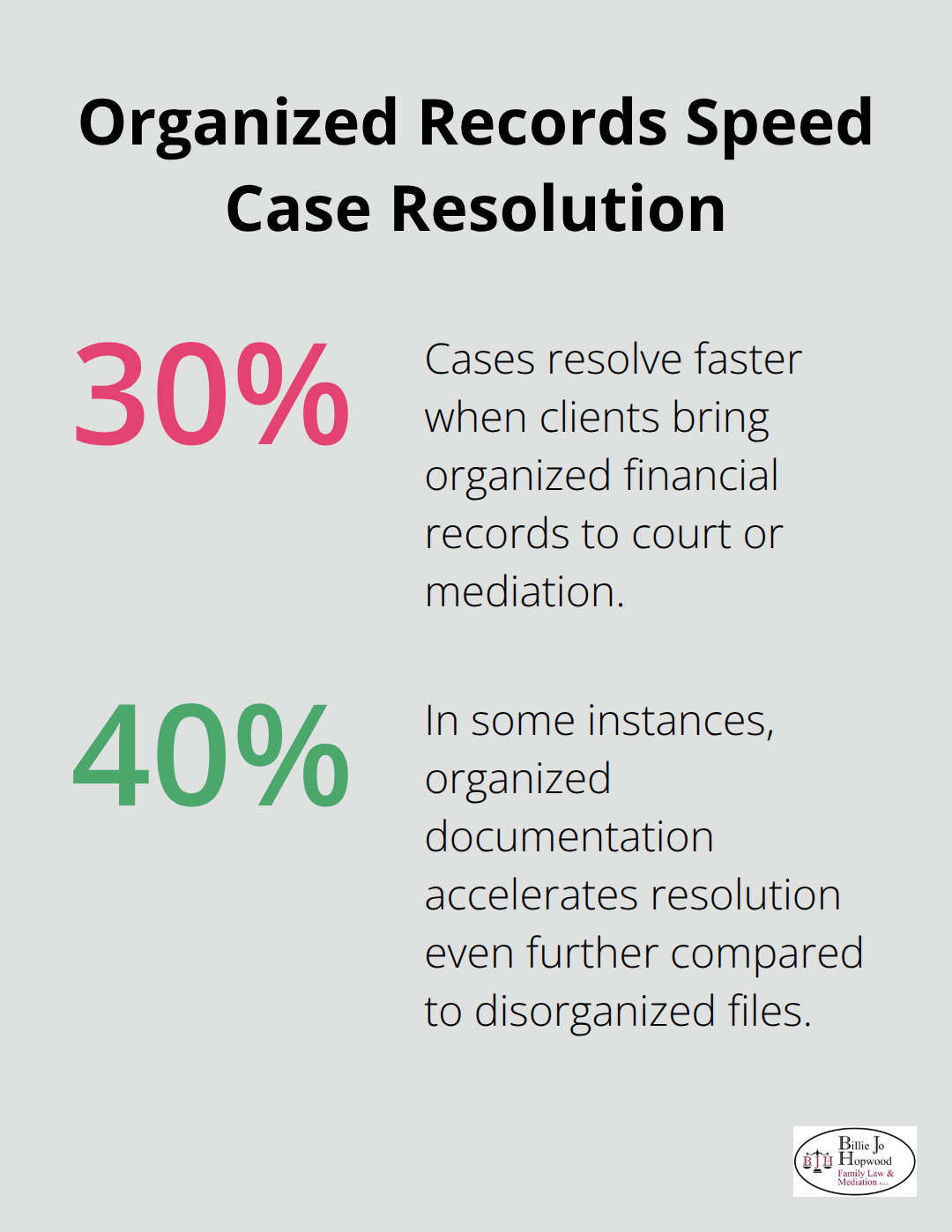
When divorce or custody matters land in court, judges and mediators expect documentation that proves your claims. Disorganized records-missing bank statements, unclear asset lists, or undated agreements-weaken your position immediately. Florida courts handle roughly 3.4 divorces per 1,000 residents annually, and attorneys across the state report that clients who arrive with organized financial records resolve cases 30 to 40 percent faster than those scrambling to locate paperwork during proceedings. The American Bar Association emphasizes that organized documents reduce legal fees by cutting the time attorneys spend hunting for information rather than building your case.
Mediation and Settlement Success
In family law mediation, which Florida requires before trial in most divorce cases, having your documents prepared signals you’re serious about reaching a fair agreement quickly. Courts view disorganization as a red flag-it suggests either carelessness with finances or an attempt to hide information. Neither impression helps your position. Organized records demonstrate transparency and allow mediators to focus on substantive issues rather than chasing down missing paperwork.
Protecting Your Family When Emergencies Strike
Beyond the courtroom, emergencies don’t wait for preparation. A sudden hospitalization, death in the family, or urgent custody decision can occur without warning. If your spouse or a family member cannot locate your healthcare directive, power of attorney, or guardianship documents, hospitals and courts will move forward without your stated preferences. The National Funeral Directors Association notes that families without clear end-of-life documentation face both emotional trauma and financial complications when making urgent decisions.
Safeguarding Your Children’s Financial Future
Your children’s financial security depends on current beneficiary designations on retirement accounts and life insurance policies-outdated paperwork means your assets may pass to an ex-spouse or former guardian instead of your intended heirs. Organization protects your family’s interests when you cannot advocate for yourself. Treating document organization as an ongoing responsibility (not a one-time task completed before a legal matter arises) keeps your family’s protection current as circumstances change.
The next section walks through which specific documents demand your immediate attention and where to store them safely.
What Documents You Actually Need to Keep
Wills, Trusts, and Powers of Attorney
Your will, trust, and powers of attorney control what happens to your assets and who makes decisions if you cannot act. Your will dictates where your property goes after death; your trust allows you to avoid probate and protect assets during your lifetime; your durable power of attorney for finances lets someone manage your accounts if illness or injury prevents you from doing so. The American Bar Association recommends keeping original signed copies in a fireproof safe at home and copies in a separate secure location like a bank safety deposit box. Courts require original signatures for probate and healthcare decisions, so do not store these only digitally.
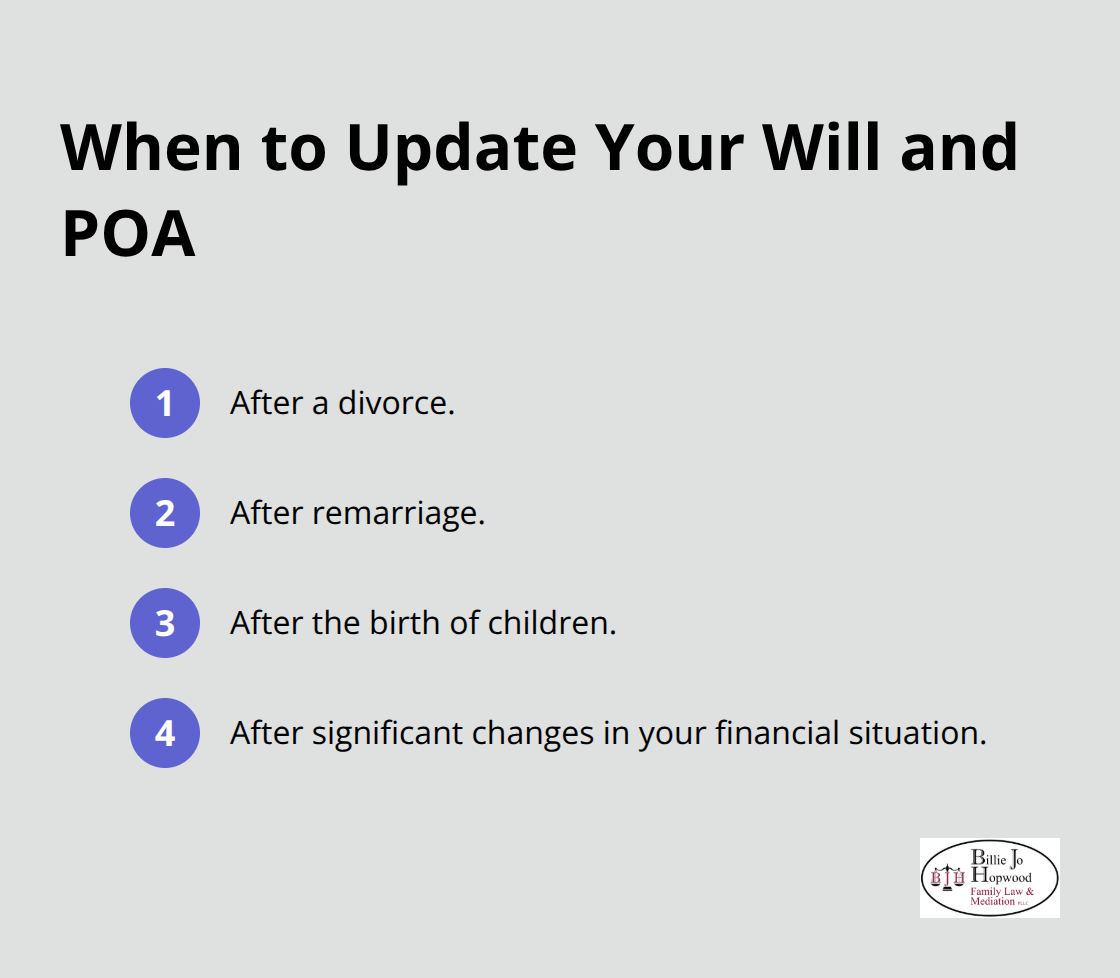
Update your will and powers of attorney after major life changes: divorce, remarriage, the birth of children, or significant changes in your financial situation. Many people make the mistake of keeping outdated documents that name an ex-spouse as executor or healthcare agent, which creates legal chaos when that person no longer represents your wishes.
Identity and Family Relationship Documents
Marriage certificates, birth certificates, and adoption papers form the foundation of your family’s legal identity. These documents prove relationships that courts rely on for custody decisions, inheritance claims, and Social Security benefits. Adoption papers specifically matter in family law because they establish parental rights and affect inheritance and guardianship if something happens to you.
Keep originals in your fireproof safe and request certified copies from your state’s vital records office (these cost between fifteen and fifty dollars and carry legal weight that photocopies do not). Certified copies serve as proof in court proceedings and government applications where standard photocopies fail.
Property and Financial Records
Property deeds, mortgage documents, and recent financial statements require the same protection because they establish ownership and current asset values. Your deed proves you own the home; your mortgage statement shows what you owe; your bank statements from the last three to six months demonstrate liquid assets available for division in mediation or court.
Outdated financial statements create disputes during property division-use current statements dated within ninety days whenever possible. The Internal Revenue Service recommends keeping tax returns and supporting documents for at least seven years, which covers the statute of limitations for audits and provides proof of income for child support and alimony calculations in Florida family law matters.
With these core documents identified and stored, the next step involves choosing the right storage methods to protect them from loss, damage, or unauthorized access.
Storing Documents Where They Stay Safe and Accessible
Physical Storage: Safes and Safety Deposit Boxes
A fireproof safe bolted to your home’s floor or wall costs between two hundred and eight hundred dollars and protects documents from fire, theft, and water damage. The American Bar Association recommends keeping original signed wills, powers of attorney, and healthcare directives in this safe because courts require originals for probate and medical decisions. A bank safety deposit box costs between thirty and three hundred dollars annually and provides a second secure location for copies of critical documents. The combination approach works best: originals at home in the safe where you can access them quickly if needed, certified copies in the safety deposit box as a backup if your home becomes inaccessible. Never store documents only digitally or only in one location, as house fires, floods, and break-ins happen without warning and losing your only copy of a will or deed creates expensive legal problems for your family.
Digital Backups and Cloud Security
High-quality digital scans of every document protect your records against physical loss. A scanner or smartphone app captures clear, legible images that you can store on a trusted cloud service like Google Drive or Dropbox. The Federal Bureau of Investigation’s Internet Crime Complaint Center recommends maintaining an offline backup on an external hard drive stored in a separate location from your home.
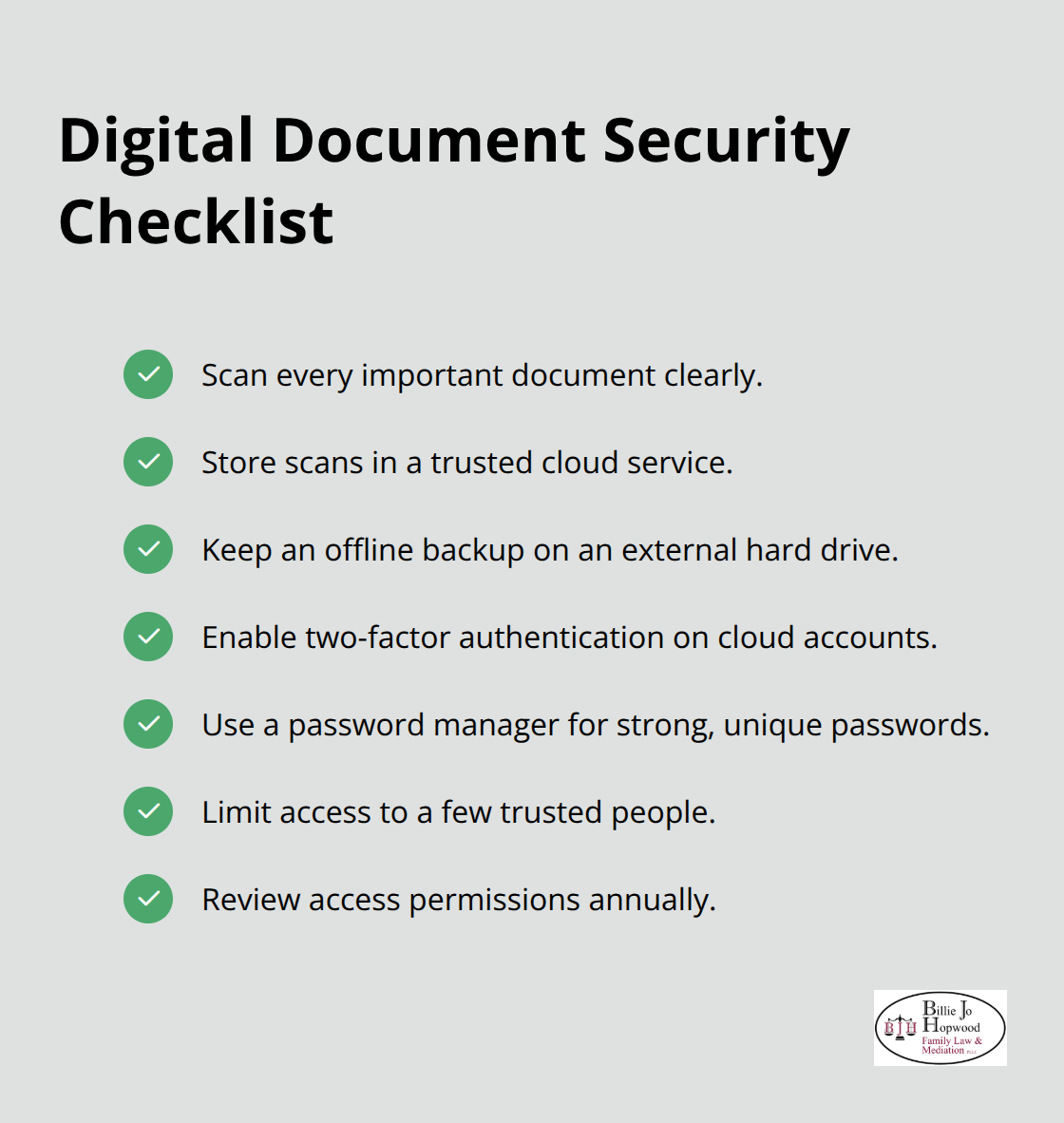
Two-factor authentication on cloud accounts and a password manager control access effectively. Restrict access to a small number of trustworthy people, and review who has access at least once yearly to prevent unauthorized viewing of sensitive information.
Creating Your Master Inventory
A simple one-page master inventory lists where each document lives: which documents are in your fireproof safe, which copies are in your safety deposit box, and where digital backups are stored. Include contact information for your bank, attorney, and the person you’ve designated to access these documents in emergencies. This inventory itself should live in multiple places so whoever needs these documents during a crisis can find them without calling around frantically.
Final Thoughts
Start organizing your family legal documents this weekend. Gather everything scattered across your home: wills, trusts, powers of attorney, birth certificates, property deeds, and financial records from the last three to six months. A fireproof safe at home and a bank safety deposit box protect originals and copies, while digital scans backed up offline ensure nothing disappears in a crisis.
The payoff arrives immediately when a legal matter surfaces. You walk into mediation or court with organized records that strengthen your position and reduce attorney fees by cutting research time. Your children’s financial security stays protected because beneficiary designations remain current, and your healthcare wishes get honored because your directive sits where hospitals can find it.
If you’re facing a family law situation in Melbourne, Florida, and need guidance on organizing your family legal documents or preparing for mediation, reach out to our firm. Taking action now costs nothing except time, while waiting until a divorce or custody battle forces you to scramble costs thousands in legal fees and emotional stress.